How Houston Weather Affects Your Home: Water Damage Restoration Prevention Tips
Published: 2026-04-16 · By HelixFlow Water Damage Repair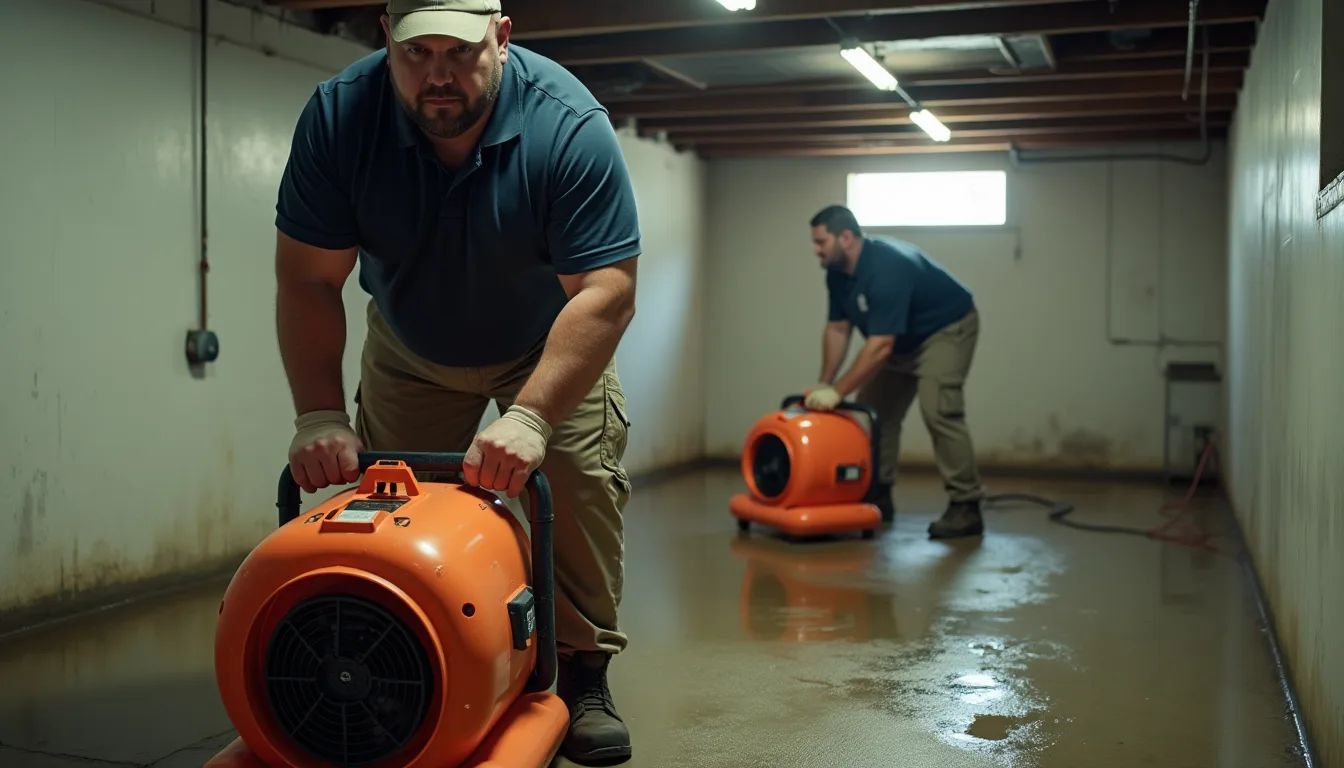
The oppressive heat and humidity of Houston summers can be both a blessing and a curse for homeowners. While those balmy evenings might invite you to enjoy the outdoors, the risk of severe thunderstorms and torrential rains also looms large, particularly during hurricane season. Imagine returning home after a day out only to discover water pooling in your living room, a nightmare scenario that's all too common in our city. Taking into account Houston's unique weather conditions, safeguarding your property from water damage must become a priority for every resident.
Why This Matters for Houston Homeowners
Houston's climate creates a perfect storm for potential water damage. The combination of extreme heat, high humidity, and sudden thunderstorms can overwhelm even newly constructed homes. Many Houston homes are built on clay soil, which expands when wet and contracts during dry spells, leading to foundation issues that can exacerbate water intrusion.
During hurricane season, from June to November, homeowners must remain vigilant. These powerful storms can lead to significant flooding, causing extensive damage that can cost thousands of dollars in repairs. Ignoring the potential for water-related issues, particularly in a city prone to heavy rainfall, can lead to mold growth, structural instability, and health risks for your family. Planning ahead and checking for vulnerabilities can go a long way.
Tip: Regularly evaluate your gutters and downspouts for blockages and ensure they're directing water away from your foundation to avoid unnecessary risks.
Expert Solutions & Actionable Tips
1. Inspect Your Roof Regularly
Your roof is your home's first line of defense against rainfall, particularly during Houston's stormy seasons. Professionals recommend inspecting your roof at least once a year or after significant storms. Look for missing shingles or damage. If you're unsure, hire a local roofing contractor for a thorough evaluation, typically costing between $150-$300. Ignoring roof issues can lead to leaks that cause widespread damage.
2. Maintain Your Landscaping
Landscaping plays a crucial role in guiding water away from your foundation. Ensure soil is sloped away from your home and consider installing drainage systems if necessary. The cost for basic drainage solutions can range from $1,500 to $3,000 in Houston. Maintaining plants and trees within ten feet of your home can significantly reduce the risk of water pooling during storms.
3. Seal Windows and Doors
Over time, the seals around windows and doors can wear out, allowing water to seep in during storms. Inspect and replace worn weather stripping regularly, which can be a DIY task costing around $20-$50 for materials. Preventing water ingress now will save you the high cost of repairs later.
4. Check Plumbing Systems
Plumbing leaks not only waste water but can also lead to significant damage if left unchecked. Regularly inspect pipes, particularly in attics and basements, where leaks can go unnoticed. A plumber in Houston typically charges between $100-$200 for a comprehensive inspection. Address leaks instantly to avert water damage.
5. Install a Sump Pump
In areas prone to flooding, a sump pump can be a lifesaver. Installation costs usually range from $1,000 to $2,500 depending on the complexity. A functioning sump pump will minimize water accumulation in your basement and reduce the risk of mold growth. Ensure it is tested regularly for optimal performance.
6. Know Your Insurance Coverage
Understand your homeowner's insurance policy regarding coverage for water damage. Some policies may not cover flooding from storms unless you have specific flood insurance. Reviewing your coverage annually with your insurance agent can help you avoid unexpected expenses in emergencies.
Houston Climate & Local Context
Houston's unique climate is a double-edged sword; while the warm weather is ideal for many outdoor activities, the corresponding risks from seasonal severe thunderstorms pose a significant threat to homes. The clay soil prevalent in the region expands and contracts, putting a strain on foundations, leading them to crack and fail over time.
Building codes in Houston require certain safeguards against water intrusion, especially for structures in flood-prone areas. Homeowners should familiarize themselves with local regulations and permit requirements before renovating or making significant repairs. Being aware of these guidelines can prevent costly fines and ensure safety standards are met.
When to Call a Professional
Knowing when to handle repairs yourself versus hiring a professional can significantly impact the outcome of your water damage issues. For minor leaks or small mold spots, DIY methods can be effective if you have some experience. However, for major damage or structural issues, it's essential to call in a pro to minimize further complications.
- Visible mold growth beyond 10 square feet
- Structural damage to walls or ceilings
- Multiple leaks occurring simultaneously
- Water intrusion from outside during heavy rains
- Sump pump failures
- Unpleasant odors indicating hidden moisture issues
In Houston, hiring professionals like HelixFlow Water Damage Repair can ensure timely and effective remediation, keeping your home safe and sound.
Frequently Asked Questions
What is the average cost of water damage restoration in Houston?
In Houston, water damage restoration costs can vary widely depending on the extent of the damage but typically range from $1,500 to $5,000.
How long does it usually take to restore water damage?
Most water damage restoration processes in Houston take between 3 to 7 days, depending on the severity of the damage.
Does home insurance cover water damage?
Coverage for water damage depends on your specific policy; many standard homeowners' policies will cover sudden and accidental water damage but exclude flood damage.
How can I prevent mold growth after water damage?
To prevent mold after water damage, remove excess water immediately, and maintain low humidity levels in your home by using dehumidifiers, especially in Houston's humid climate.
What should I do immediately after a flood?
After a flood, prioritize safety by turning off the electricity in affected areas and contacting a restoration professional like HelixFlow Water Damage Repair for immediate assistance.
Get Expert Water Damage Restoration Service in Houston
Protecting your home from water damage is crucial, especially in Houston's unpredictable weather. If you suspect that your property has been affected or need a regular inspection, don’t hesitate to reach out to HelixFlow Water Damage Repair.
Contact us today at (832) 895-2206 to discuss our expert restoration services and safeguard your home against water damage.
Related Services
Service Areas
More Articles
How Much Does Water Damage Restoration Cost in Houston? Complete 2026 Price Guide
2026-04-16
Water Damage RestorationCommon Water Damage Restoration Myths Debunked by Houston Experts
2026-04-16
Water Damage RestorationMold After Water Damage Restoration: Prevention and Treatment Guide
2026-04-16