Mold After Water Damage Restoration: Prevention and Treatment Guide
Published: 2026-04-16 · By HelixFlow Water Damage Repair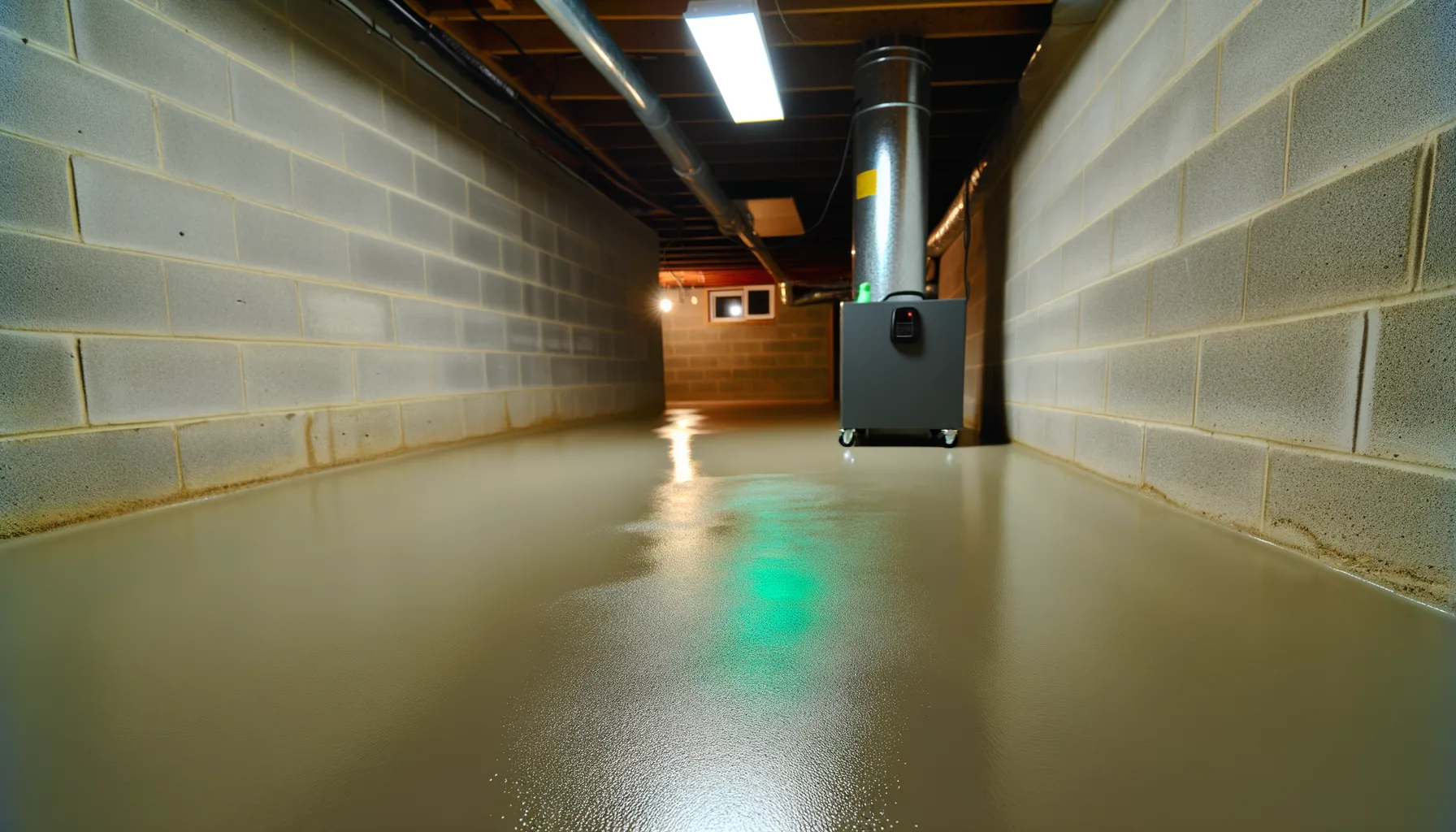
As a Houston homeowner, you know the struggles of maintaining your property amid the extreme humidity and heat. Perhaps you’ve faced a water damage incident, resulting in potential mold growth. As your house dries out, it’s crucial to understand how mold can form quickly in damp conditions, leading to health issues and costly repairs if not managed properly. In a city where heavy thunderstorms are common, mold prevention is not just important—it's essential.
Why This Matters for Houston Homeowners
Water damage isn't just a momentary inconvenience; in humid environments like Houston, it becomes a breeding ground for mold, which can develop within 24 to 48 hours. Homeowners who ignore water damage risks face serious repercussions, including structural detriment and safety hazards. The unique blend of high humidity, clay soil foundation issues, and seasonal hurricanes contributes to a perfect storm for mold growth. Beware of persistent leaks, condensation on walls, or damp carpet—these often unnoticed signs can lead to extensive mold colonies!
The untreated effects of mold include respiratory issues, allergies, and even systemic health concerns. With a significant portion of Houston's housing built on clay-rich soil, foundation issues can exacerbate water retention problems, making it crucial to act at the first sign of water damage.
Expert Solutions & Actionable Tips
1. Regular Inspections and Maintenance
Scheduling regular home inspections, particularly during the rainy season, can help identify moisture issues before they escalate. Consider hiring a local inspector for roughly $200-$400. A thorough inspection can include attic assessments where condensation often lurks unnoticed.
Invest a little in regular maintenance to save a lot in mold repair later. In Houston, doing this every six months can help ensure that your property remains mold-free and healthy.
2. Proper Ventilation
Ensuring adequate ventilation in areas like kitchens and bathrooms is crucial to prevent moisture accumulation. Installing exhaust fans can cost about $100-$300 and can drastically reduce humidity levels. These fans work best when operated during and after cooking or showering to pull out any steam.
Additionally, consider using dehumidifiers during peak humidity months, which might set you back $200-$500, but can be vital in keeping your indoor air quality safe.
3. Immediate Water Extraction
If you encounter water damage, swift action is your best defense. Rent a high-capacity water extractor for around $50-$150 per day if you plan to DIY. Acting within hours to remove water can drastically reduce the risk of mold developing.
This primarily applies to situations like burst pipes or flooding. For severe cases, hiring a professional for extraction might cost between $500-$2000, depending on the extent of the damage.
4. Use Anti-Mold Products
After water damage has been addressed, treating affected areas with anti-mold solutions can further inhibit growth. These products can range from $10 for sprays to several hundred for heavy-duty treatments.
In humid climates like Houston's, applying an anti-fungal solution on surfaces can act as a preventive measure before mold takes hold.
5. Flooring Choices
Consider flooring materials that resist moisture if you're replacing floors after water damage. Options like vinyl or tile may range from $2-$10 per square foot and can be less prone to mold compared to carpets. If you are a homeowner replacing flooring due to water damage, this transition can be long-term protective investment.
This is especially important in high humidity areas of the home to avoid future mold problems.
6. Seek Professional Mold Assessment
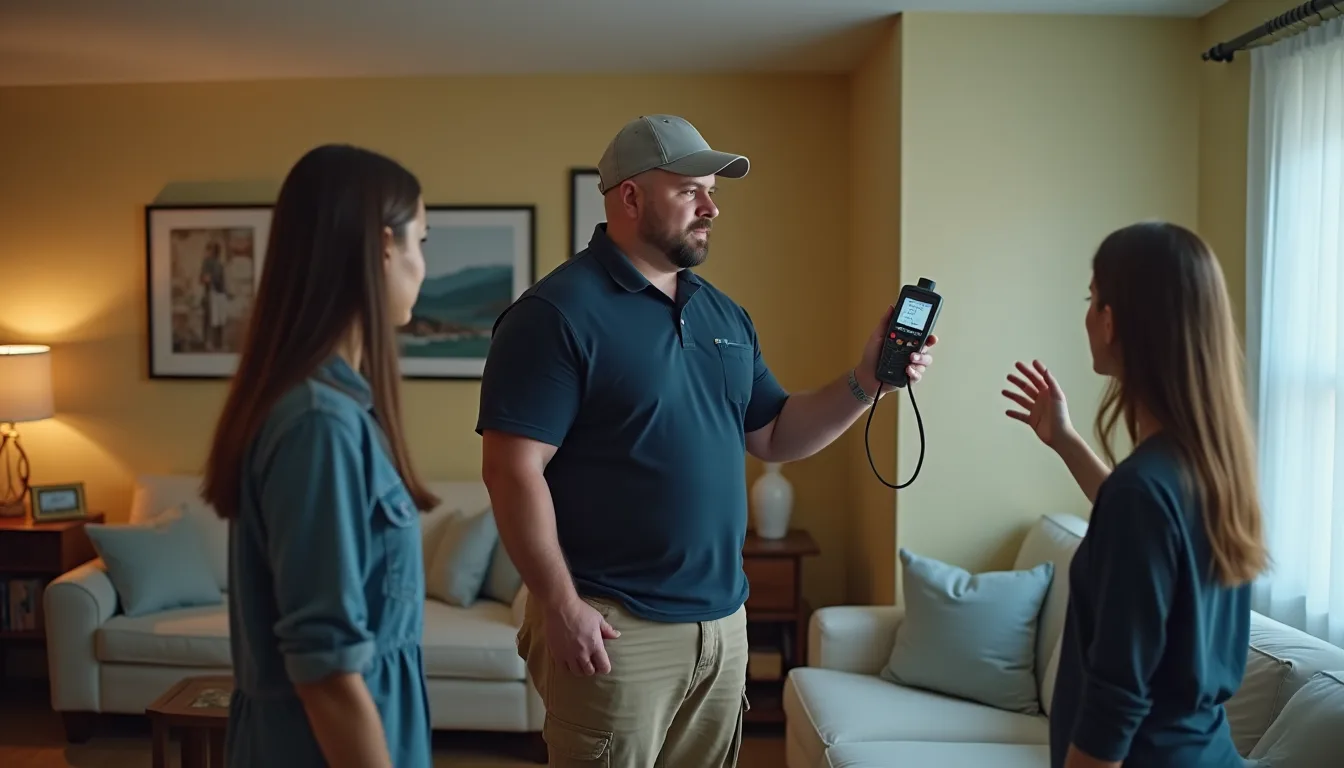
If there's suspicion of mold, a professional assessment is wise. Costs range between $300-$600, and it can save you from unforeseen health risks. Professionals utilize advanced equipment to determine the presence and extent of the mold, ensuring that you can tackle it effectively.
Understanding the severity of mold issues from the start can direct you to the right remediation strategy, saving time and potential expenses down the line.
Houston Climate & Local Context
Houston's climate poses unique challenges for homeowners, especially when it comes to maintaining property integrity against water damage. With high humidity levels often exceeding 90% during summer months and the threat of heavy rainfall during hurricane season, homes face consistent moisture risks. Many Houston homes, constructed on clay soil, experience foundational shifts that can lead to leaks or water intrusion.
Local building codes emphasize proper drainage systems and waterproofing to mitigate these risks. Knowing the specifics can play a significant role in renovation and restoration plans, as improper materials used in your home can exacerbate water damage concerns. When restoring your property after an incident, adhering to city regulations ensures not only compliance but also your home’s longevity.
When to Call a Professional
While tackling water damage can be tempting for the motivated DIYer, knowing when to call in the pros is vital for effective restoration. Professionals not only have the requisite tools to manage extensive damage but also expertise that can identify hidden issues like structural threats or severe mold infestations.
- Any persistent or unusually large water leaks
- Signs of extensive mold growth (greater than 10 square feet)
- Water mold infestations behind walls or in difficult-to-reach areas
- Water stains indicating long-term moisture issues
- Musty smells that linger even after cleaning
- Large areas of saturated carpet or flooring
- Health impacts felt in the home after flooding
- Damage caused by hurricane or severe storms
Tackling extensive issues alone can risk your health and property. For issues beyond your expertise, professionals ensure that remediation is thorough and addresses every possible concern.
Frequently Asked Questions
What are the signs that I have mold after water damage?
Signs include visible discoloration on walls or ceilings, a persistent musty smell, and respiratory discomfort for those in the home. Even minor water damage can lead to mold if not treated properly.
How long does it take to remove mold professionally?
Depending on the scale of the mold issue, professional removal can take anywhere from 1 to several days. A thorough assessment will help determine the timeline required for your home.
Can I prevent mold after water damage restoration?
Yes, by applying anti-mold treatments, ensuring proper ventilation, and quickly addressing leaks or humidity issues, homeowners can effectively keep mold at bay.
How much does it cost to remediate mold in Houston?
The average cost for mold remediation in Houston can range from $500 to $6,000 based on the extent of the infestation and the area affected.
Is it safe to clean mold by myself?
While minor mold patches can be addressed via DIY cleaning, extensive mold requires professional intervention to ensure safety and thoroughness in remediation.
Get Expert Water Damage Restoration Service in Houston
If you’ve recently encountered water damage, don't take chances with mold growth. Call (832) 895-2206 to speak with the experts at HelixFlow Water Damage Repair. With their assistance, you can protect your Houston property effectively.
Timely action is essential in mitigating further water damage risks—reach out today!
Related Services
Service Areas
More Articles
How Much Does Water Damage Restoration Cost in Houston? Complete 2026 Price Guide
2026-04-16
Water Damage RestorationCommon Water Damage Restoration Myths Debunked by Houston Experts
2026-04-16
Water Damage RestorationHow Houston Weather Affects Your Home: Water Damage Restoration Prevention Tips
2026-04-16